
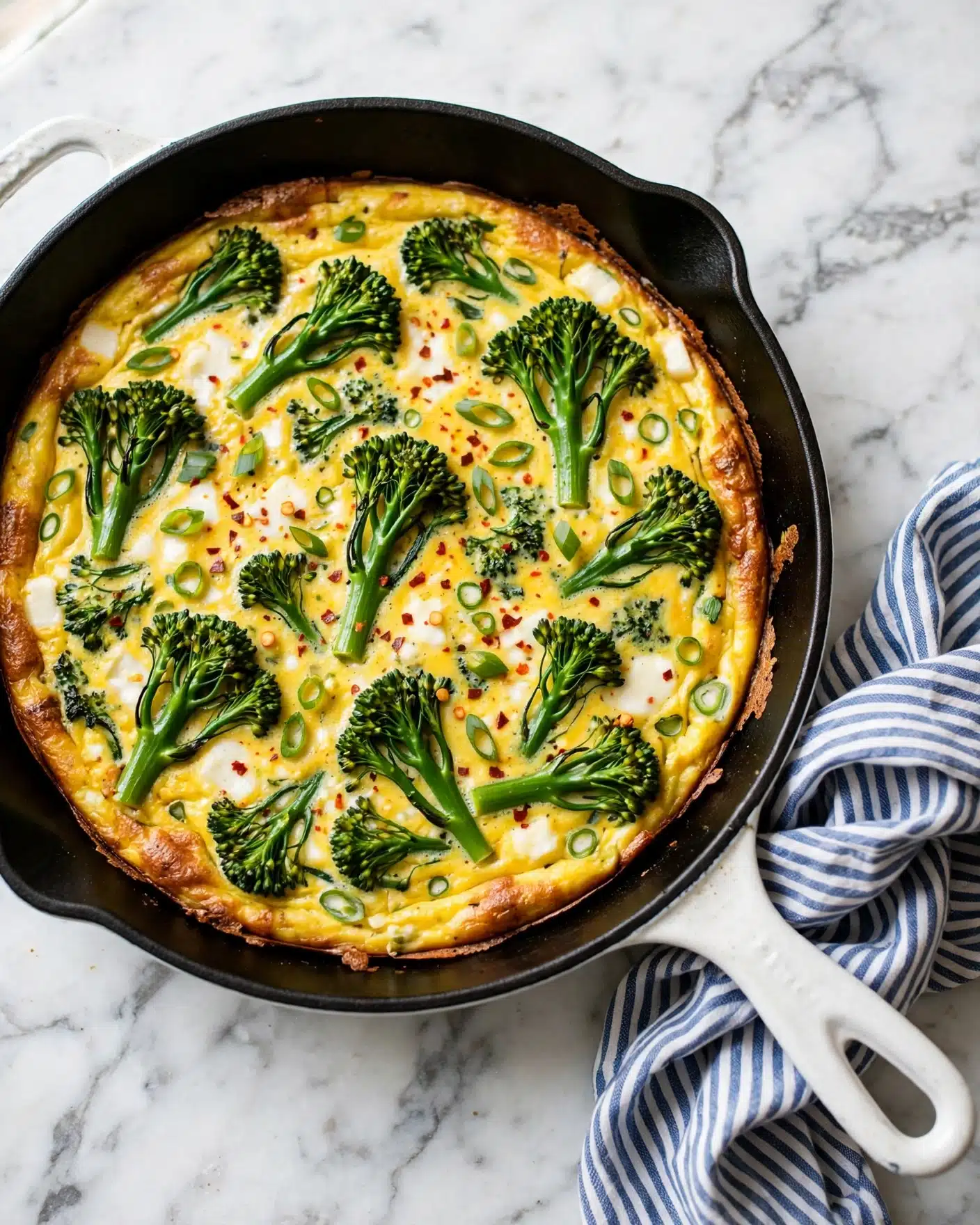
I absolutely adore this Frittata Recipe, Plus 5 Variations Recipe because it’s like having a personalized breakfast, lunch, or dinner that’s both easy and full of vibrant flavors. Whenever I whip up a frittata, I’m drawn to how wonderfully versatile it is—the eggs create this fluffy, satisfying base while the fresh vegetables and cheeses each add layers of color, texture, and excitement. It is a dish that makes me feel cozy and creative in the kitchen every time.
Why You’ll Love This Frittata Recipe, Plus 5 Variations Recipe
What really excites me about this frittata recipe is the harmonious balance between the creamy eggs and the fresh, often crisp vegetables, all brought together with just the right seasoning and a touch of cheese for richness. Every bite delivers a comforting, savory flavor that never feels heavy, which makes it perfect for any time of day. The subtle garlic and the hint of smoked paprika or fresh herbs in some variations give it that extra pop that I find irresistible.
Plus, I love how straightforward this recipe is. It requires minimal prep time and just one skillet, so cleanup is a breeze. Whether I’m hosting a brunch with friends or need a quick weekday meal, it fits the bill perfectly. What makes it stand out is not just its simplicity but also how effortlessly you can mix and match ingredients to keep things exciting without ever getting boring. This Frittata Recipe, Plus 5 Variations Recipe truly feels like a delicious secret I’m eager to share with you.
Ingredients You’ll Need
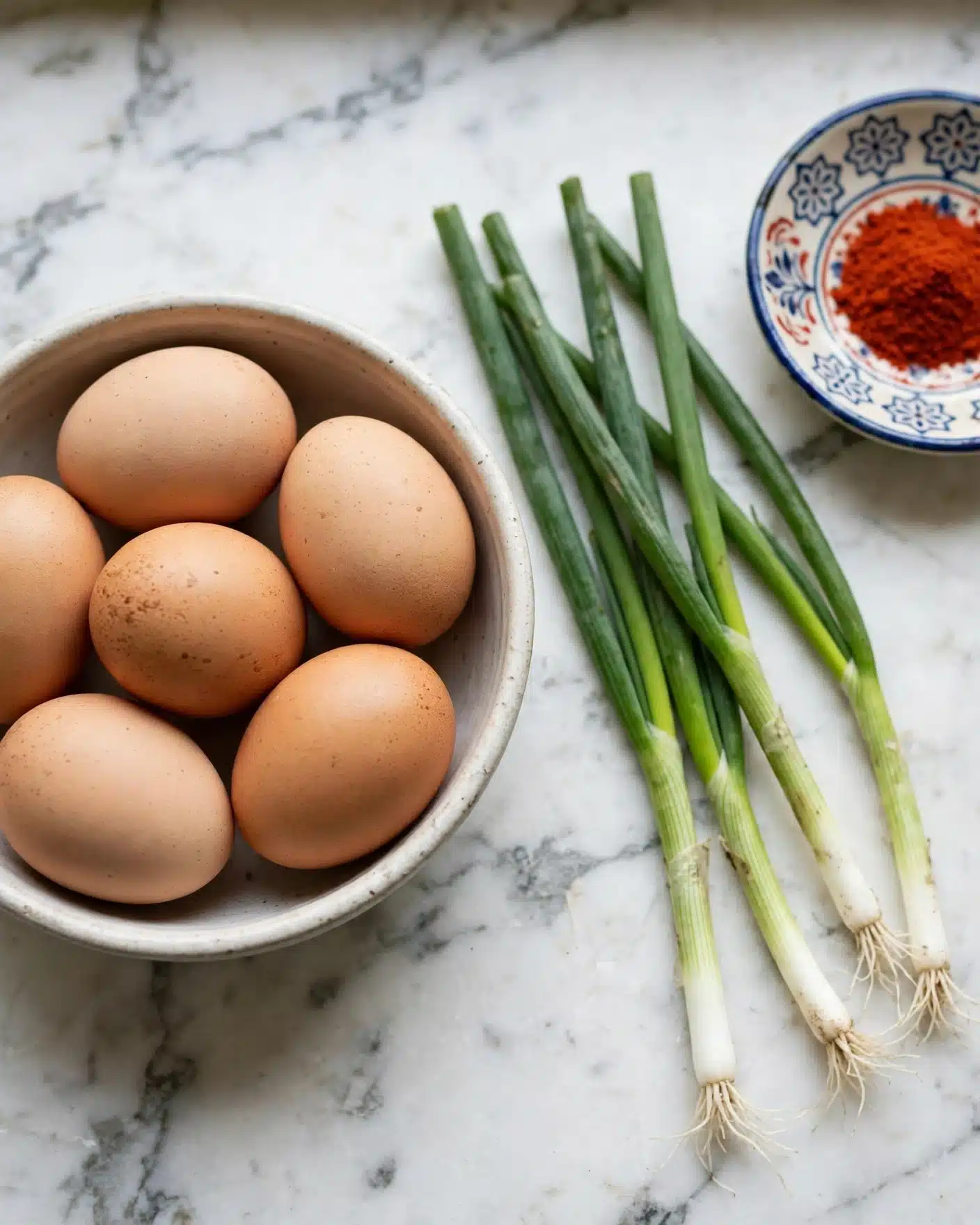
The magic of this frittata lies in its simple but vibrant ingredients. Each one adds a unique touch—whether it’s the fluffy eggs forming the base, fresh garlic elevating the aroma, or the colorful vegetables bringing brightness and texture. These essentials come together so naturally to create a dish you’ll want to make over and over.
- 6 large eggs: The heart of your frittata, giving it structure and a rich, creamy texture.
- ¼ cup unsweetened almond milk: Adds just the right amount of moisture for fluffiness; regular milk works too.
- 2 garlic cloves, minced: Infuses the eggs with a subtle savory depth.
- ¼ teaspoon sea salt: Enhances all the flavors; a pinch more for sprinkling at the end.
- Freshly ground black pepper: Adds a mild, warming spice that wakes up the dish.
- Extra-virgin olive oil: For sautéing veggies and adding a silky richness.
- Additional ingredients per your chosen variation: Whether broccoli and feta or mushrooms and tarragon, each brings its own personality to the table.
Directions
Step 1: Preheat your oven to 400°F (200°C). This ensures the frittata will bake evenly and develop a lovely golden top.
Step 2: In a bowl, whisk together the eggs, almond milk, minced garlic, and sea salt until the mixture is smooth and slightly frothy. This airiness is key for a tender frittata.
Step 3: Choose your favorite vegetable variation from the five options. Heat the designated amount of olive oil in a 10 or 12-inch cast iron skillet over medium heat—using an enameled cast iron skillet really helps prevent sticking.
Step 4: For the selected variation, cook the vegetables as instructed until they’re tender but retain some brightness. This usually takes between 3 to 8 minutes depending on the veggies—just watch for that perfect slight softness without losing vibrancy.
Step 5: Pour the egg mixture evenly over the cooked vegetables and gently shake the pan to spread everything uniformly. Then, sprinkle your choice of cheese on top—feta, mozzarella, or pecorino, depending on the variation.
Step 6: Transfer the skillet to your preheated oven and bake for 15 to 20 minutes. The frittata is ready when the eggs are fully set and lightly golden on top. You can check by gently shaking the pan; it should feel firm, not jiggly.
Step 7: Remove from the oven, season with extra salt and pepper if desired, and serve warm. I often like to let mine rest for 5 minutes—it helps the flavors settle and makes slicing easier.
Servings and Timing
This recipe serves 3 to 4 people, perfect for a small family meal or a casual get-together. The prep time is incredibly short—just about 5 minutes, which means you can get everything ready even on a busy morning. Cooking time clocks in at around 25 minutes, so from start to finish, you’re looking at about 30 minutes total. I usually allow a few minutes for resting after baking to let the frittata set fully.
How to Serve This Frittata Recipe, Plus 5 Variations Recipe
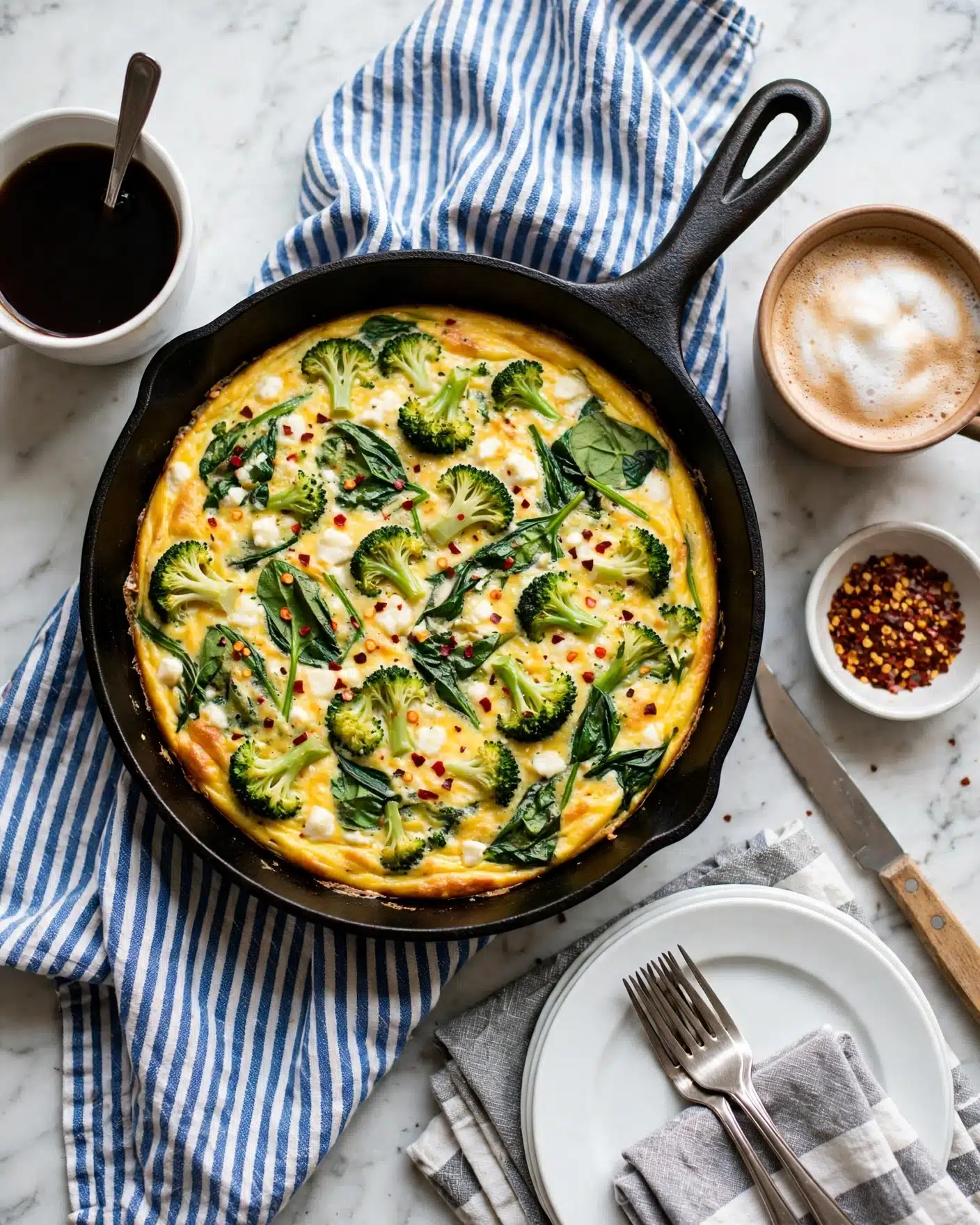
I love serving this frittata warm or at room temperature, depending on the season or occasion. A light side salad with fresh greens dressed in lemon vinaigrette complements the richness of the eggs beautifully. You could also add a crusty loaf of bread or some roasted potatoes to make meals heartier.
For garnishing, fresh herbs like basil, chives, or tarragon sprinkled on top really brighten up the presentation and flavor. Serving it straight from the skillet adds a rustic charm that’s perfect for a relaxed brunch or casual weeknight dinner. If I’m serving guests, I slice it into wedges and plate alongside colorful roasted vegetables or a tomato salad to turn it into a vibrant feast.
When it comes to beverages, I usually pair this frittata with a crisp white wine like Sauvignon Blanc or a sparkling water with a twist of lime for something non-alcoholic. It’s a versatile dish that suits cozy family meals as well as festive holiday brunches, making it an all-around winner in my book.
Variations
The true joy of this Frittata Recipe, Plus 5 Variations Recipe lies in its adaptability. I often switch up veggies depending on what’s fresh or what’s in my fridge. For instance, if I want to lighten it up, I swap feta for goat cheese or skip cheese altogether for a dairy-free version. Using almond milk keeps it a bit lighter, but regular milk or even cream works well if you prefer a richer texture.
If you follow a gluten-free diet, this recipe is naturally safe, which is a huge bonus. For vegan friends, replacing eggs can be tricky, but chickpea flour or tofu scrambles are great alternative bases that mimic that eggy feel. Also, I love experimenting with flavor profiles: smoked paprika adds a warm earthiness, fresh herbs can totally freshen it up, and sautéed mushrooms bring an umami depth that’s hard to resist.
Sometimes I even switch the cooking method by finishing the frittata under the broiler for a minute or two to get a bubbly, golden crust. No matter how you customize it, this recipe stays reliable and scrumptious, making me look forward to each delicious bite.
Storage and Reheating
Storing Leftovers
When I have leftover frittata, I let it cool to room temperature and then store it in an airtight container. Glass containers with tight-fitting lids work great to keep it fresh. I usually keep leftovers in the fridge for up to 3 days. The flavors actually deepen after a day, making it a breakfast or lunch I look forward to.
Freezing
Freezing frittata is completely doable and a real time-saver. I slice leftover portions, wrap each piece tightly in plastic wrap, and then place them in a freezer-safe bag. Frozen leftovers stay good for up to 2 months. When I want to enjoy a frozen slice, I just thaw it overnight in the fridge for best results.
Reheating
To reheat, I prefer a gentle approach so it doesn’t dry out—warming slices in a low oven at 300°F for 10-15 minutes works beautifully. Microwaving is fine for a quick fix, but I zap it in short intervals and cover it to retain moisture. I avoid overheating, which can lead to rubbery eggs and a loss of texture. Reheating gently helps restore that freshly made creaminess.
FAQs
Can I use a non-cast iron skillet for this frittata?
Absolutely! While I prefer a cast iron skillet for even heat and easy transfer from stovetop to oven, any oven-safe skillet will work. Just ensure it’s not too non-stick as you want a bit of grip to prevent slipping during cooking.
How do I know when the frittata is fully cooked?
Look for eggs that are set and firm to the touch without wobbling. The top should be lightly golden and no longer runny. A gentle shake of the pan will help you gauge if it’s done—if nothing jiggles, you’re good to go.
Can I prepare the frittata mixture ahead of time?
You can whisk the eggs with seasonings and keep them covered in the fridge for a few hours before cooking. However, it’s best to cook the vegetables fresh for optimal texture and flavor when assembling the frittata.
What variations would you recommend for a vegan frittata?
For vegan options, you can replace eggs with a chickpea flour batter or silken tofu blended with nutritional yeast and spices. Sauté your vegetables as usual, then pour the vegan batter over and bake until firm. It’s a delicious alternative with a similar feel.
Is it necessary to use almond milk, or can I substitute something else?
Almond milk adds a lightness, but any milk works well, including dairy milk or oat milk. The milk just helps make the eggs extra tender, so feel free to use what you have on hand.
Conclusion
Trying this Frittata Recipe, Plus 5 Variations Recipe has always been a delightful adventure in my kitchen, and I’m sure it will be for you too. It’s simple, delicious, and endlessly adaptable, making it a wonderful staple for any meal. I hope you enjoy making it as much as I do and find your own personal favorite among the variations to share with family and friends time and again.
PrintFrittata Recipe, Plus 5 Variations Recipe

This classic frittata recipe is a versatile and easy-to-make dish perfect for any meal of the day. Made with eggs, garlic, and almond milk base, it features five delicious vegetable variations including Broccoli Feta, Roasted Red Pepper & Spinach, Spring Veggie, Mixed Mushroom & Tarragon, and Caprese. Cooked in a cast iron skillet and finished in the oven, it yields a flavorful, protein-packed meal that’s both satisfying and nutritious.
- Prep Time: 5 minutes
- Cook Time: 25 minutes
- Total Time: 30 minutes
- Yield: 3 to 4 servings
- Category: Breakfast
- Method: Baking
- Cuisine: Italian
- Diet: Vegetarian
Ingredients
Basic Frittata Recipe:
- 6 large eggs (use 8 eggs for a 12-inch skillet)
- ¼ cup unsweetened almond milk, or any milk
- 2 garlic cloves, minced
- ¼ teaspoon sea salt, plus more for sprinkling
- Freshly ground black pepper, to taste
- Extra-virgin olive oil, for drizzling
Variation #1: Broccoli Feta
- 6 scallions, chopped
- 2 cups chopped broccoli or broccolini
- ⅛ teaspoon smoked paprika
- ¼ cup crumbled feta cheese
Variation #2: Roasted Red Pepper & Spinach
- 1 shallot, chopped
- 2 roasted red bell peppers, chopped
- 2 cups spinach
- ⅓ cup crumbled feta cheese
Variation #3: Spring Veggie
- 4 spring onions or scallions, chopped
- ½ cup chopped asparagus, tender parts
- ½ cup frozen peas, thawed
- ½ cup halved mini mozzarella balls
- ¼ cup crumbled feta cheese
- ¼ cup chopped tarragon or chives
Variation #4: Mixed Mushroom & Tarragon
- 1 shallot, chopped
- 12 ounces mixed mushrooms, chopped
- ¼ cup chopped tarragon
- ⅓ cup grated pecorino cheese
Variation #5: Caprese
- 1 shallot, chopped
- 2 cups halved cherry tomatoes
- ¾ cup halved mini mozzarella balls
- ½ cup sliced fresh basil leaves
Instructions
- Preheat Oven: Preheat your oven to 400°F to ensure it is ready for baking the frittata to perfection.
- Prepare Egg Mixture: In a bowl, whisk together the eggs, almond milk, minced garlic, and sea salt until well combined. Set this mixture aside while you prepare your chosen vegetable variation.
- Broccoli Feta Variation: Heat 1 tablespoon olive oil in a 10 or 12-inch cast-iron skillet over medium heat. Add chopped scallions and broccoli with a pinch of salt and pepper. Cook, stirring occasionally, until broccoli is tender but bright green, about 5 to 8 minutes. Stir in smoked paprika. Pour in the egg mixture and gently shake the pan to evenly distribute. Sprinkle with crumbled feta cheese. Transfer skillet to the oven and bake for 15 to 20 minutes or until eggs are fully set. Season to taste and serve.
- Roasted Red Pepper & Spinach Variation: Heat ½ tablespoon olive oil in the skillet over medium heat. Add chopped shallot with a pinch of salt and pepper and cook until translucent, about 5 minutes. Add roasted red peppers and spinach, sautéing until spinach wilts. Pour in the egg mixture and gently shake the pan to spread evenly. Sprinkle with feta cheese. Bake for 15 to 20 minutes until eggs are set. Season to taste and serve.
- Spring Veggie Variation: Heat ½ tablespoon olive oil in the skillet over medium heat. Sauté chopped scallions and asparagus with salt and pepper until asparagus is tender and bright green, about 5 minutes. Add thawed peas and mix. Pour in the egg mixture, gently shaking to distribute. Scatter halved mini mozzarella balls and crumbled feta on top. Bake for 15 to 20 minutes until set. Season to taste and serve.
- Mixed Mushroom & Tarragon Variation: Heat 1 tablespoon olive oil over medium heat. Cook chopped shallot with salt and pepper until starting to soften, about 3 minutes. Add chopped mushrooms and cook, stirring occasionally, until mushrooms are tender, about 8 minutes. Stir in chopped tarragon. Add egg mixture and gently shake skillet to distribute evenly. Sprinkle with grated pecorino cheese. Bake 15 to 20 minutes until eggs are set. Season to taste and serve.
- Caprese Variation: Heat ½ tablespoon olive oil in skillet over medium heat. Sauté shallot with salt and pepper until translucent, about 5 minutes. Add halved cherry tomatoes and half the sliced basil; stir well. Pour in the egg mixture and shake to spread evenly. Top with halved mini mozzarella balls and bake for 15 to 20 minutes until set. After baking, top with remaining fresh basil. Season to taste and serve.
Notes
- Use a 10 or 12-inch cast iron skillet for best cooking results and even heat distribution.
- Adjust the number of eggs depending on the skillet size (6 eggs for 10-inch, 8 for 12-inch).
- Variations can be customized with your favorite vegetables and cheeses.
- Keep an eye during baking; eggs should be fully set but not overcooked to maintain a creamy texture.
- Leftover frittata can be refrigerated and enjoyed cold or reheated for up to 3 days.
- For a dairy-free option, omit cheeses or use dairy-free cheese alternatives.


